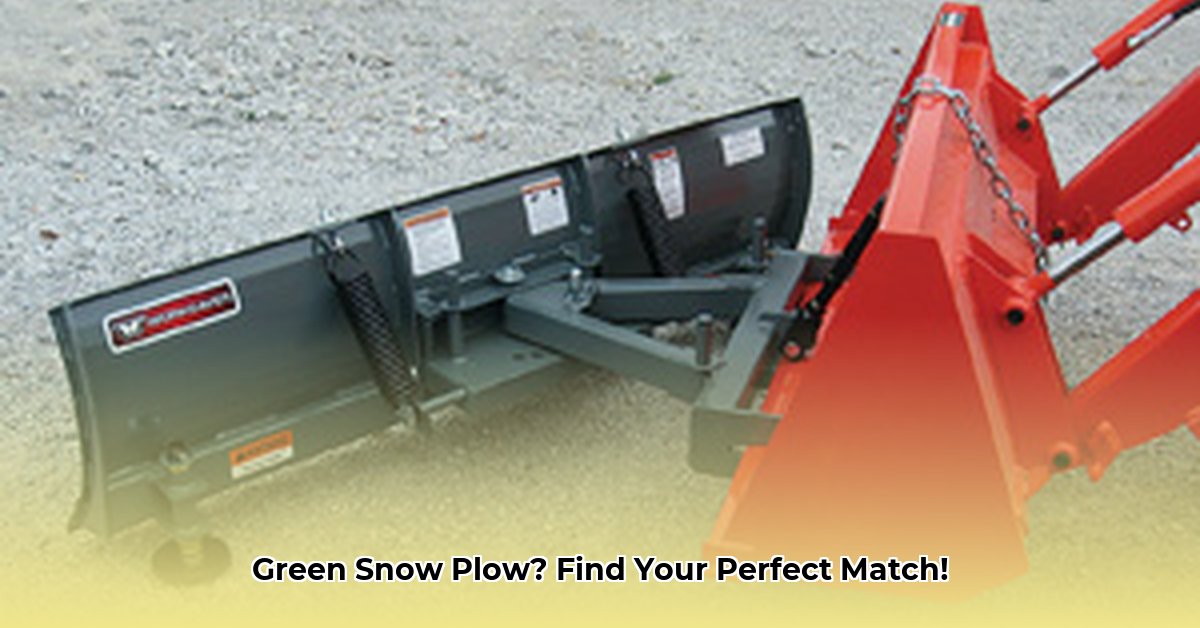
Winter's arrival brings a significant challenge for farmers: efficient and sustainable snow removal. Choosing the right snow plow blade for your tractor is crucial for both operational efficiency and minimizing environmental impact. This guide provides actionable steps to help you select and utilize a snow plow blade that protects your land and reduces your carbon footprint. For more in-depth information on tractor snow plows, check out this helpful resource.
Factors to Consider When Choosing a Snow Plow Blade
Selecting the ideal snow plow blade for your tractor requires careful consideration of several key factors. Think of it as choosing the right tool for a specific job – the wrong choice can lead to inefficiency and even damage.
Blade Material: Steel vs. Polyurethane
The choice between steel and polyurethane blades significantly impacts both cost and environmental footprint. Steel blades, particularly those made from recycled steel, offer superior durability and strength. However, steel production has a considerable environmental impact. The longevity of a steel blade may offset this impact over time depending on usage intensity and proper recycling at end-of-life.
Polyurethane blades, while potentially less durable, offer a lighter weight, gentle approach on paved surfaces, often resulting in less damage and reducing the chance of ground compaction. Polyurethane blades are more environmentally preferable than steel in terms of initial manufacturing but may require more frequent replacement. The optimal choice depends on your farm's specific needs, budget, and your priorities regarding durability versus environmental impact. Consider the frequency of heavy snowfalls in your area and their duration.
Blade Size and Type: Matching Your Needs
Matching blade size to your tractor's capacity is critical for safety and efficiency. Attempting to move too much snow with insufficient power can damage both your tractor and the blade itself, resulting in costly repairs. Consult your tractor's owner's manual for recommendations on suitable blade size and weight. Do not exceed the stated limits.
Different blade types are better suited for various conditions. Straight blades are effective in large, open areas with consistent snowfall. V-shaped blades are generally better for navigating tighter spaces and handling heavier, drifted snow. Consider your farm's specific layout and typical snowfall patterns when making your decision. Have you experienced excessive drifts in the past?
Tractor Compatibility: Prioritizing Safety
Ensuring compatibility between your tractor and the snow plow blade is paramount for safe operation. Before purchasing any blade, rigorously verify compatibility with your tractor's specifications. Improper attachment or an unsuitable blade can lead to accidents and damage, sometimes resulting in serious injury. Always prioritize safety and consult your tractor's manual and the blade manufacturer's instructions.
Sustainable Snow Removal Practices
Sustainable snow removal goes beyond simply clearing snow; it involves minimizing the environmental impact of your operations. Here are several key strategies to consider.
Optimizing Plowing Routes: Minimizing Passes
Planning efficient plowing routes is crucial to minimize soil compaction and reduce fuel consumption. Carefully plan your routes to reduce the number of passes required. Excessive passes compact the soil, potentially damaging crops and hindering future growth. Fewer passes mean lower fuel costs, less wear and tear on your equipment, and a gentler impact on your land. Does your current route minimize the number of passes?
Alternative De-Icing Methods: Beyond Road Salt
Road salt is a widely used de-icer, but it poses significant environmental risks. It contributes to water pollution and harms vegetation. Explore eco-friendly alternatives like sand, which provides traction without chemical runoff, or beet juice, a biodegradable option that is both effective and environmentally responsible. While these alternatives may require more frequent applications, the environmental benefits often outweigh the added effort.
Snow Pile Management: Avoiding Runoff
The location of snow piles significantly impacts the environment. Avoid placing them near waterways or ecologically sensitive areas where snowmelt could cause pollution or damage. Strategically locate snow piles to minimize runoff and environmental disruption. Consider the natural drainage patterns of your land. Have you previously experienced snowmelt runoff from your snow piles?
Maintenance and Disposal: Extending Blade Lifespan and Reducing Waste
Proper maintenance significantly extends the lifespan of your snow plow blade, reducing both costs and waste. Regularly inspect your blade for damage, lubricate moving parts according to manufacturer instructions, and store it properly during the off-season. Addressing minor damage promptly prevents it from escalating into more significant and costly repairs.
At the end of its lifecycle, responsible disposal is crucial. If your blade is made of recyclable materials (such as steel or certain types of polyurethane), be sure to recycle it in accordance with local regulations. Recycling not only reduces landfill waste but also conserves resources.
Conclusion: Making Informed Choices for a Sustainable Future
Choosing the right snow plow blade for your tractor is a crucial decision that impacts both efficiency and environmental sustainability. By carefully considering the factors outlined in this guide, you can ensure a more effective and environmentally responsible snow removal process, contributing to the long-term health of your farm and the planet. Remember, the initial investment in choosing a responsible blade can have long-term benefits.